What Is Daily Life Like at a Residential School?
A clear look at the rhythm of residential school life: mornings, classes, study, meals, sport, friendships, rest, and communication with home.
Parents often understand the academic timetable of a residential school but find the rest of the day harder to imagine. Who wakes the students? When do they study? Is there time to play, call home, read, or simply talk with friends? The answers matter because residential education is built from the whole day, not only classroom hours.
Every school has its own timetable, and families should request the current version before admission. Still, a healthy residential day usually follows a recognisable rhythm: a purposeful morning, a focused school day, time to move, supported evening study, shared meals, and enough quiet for sleep and recovery.
Key takeaways
- Routine reduces uncertainty and helps students become more independent.
- Academic support should extend into supervised study without consuming the entire evening.
- Meals, sport, clubs, and shared responsibilities are part of education, not empty time between classes.
- Students need accessible adults, personal downtime, and a predictable way to contact home.
- Families should compare the written timetable with what they observe during a campus visit.
The morning: a calm start matters
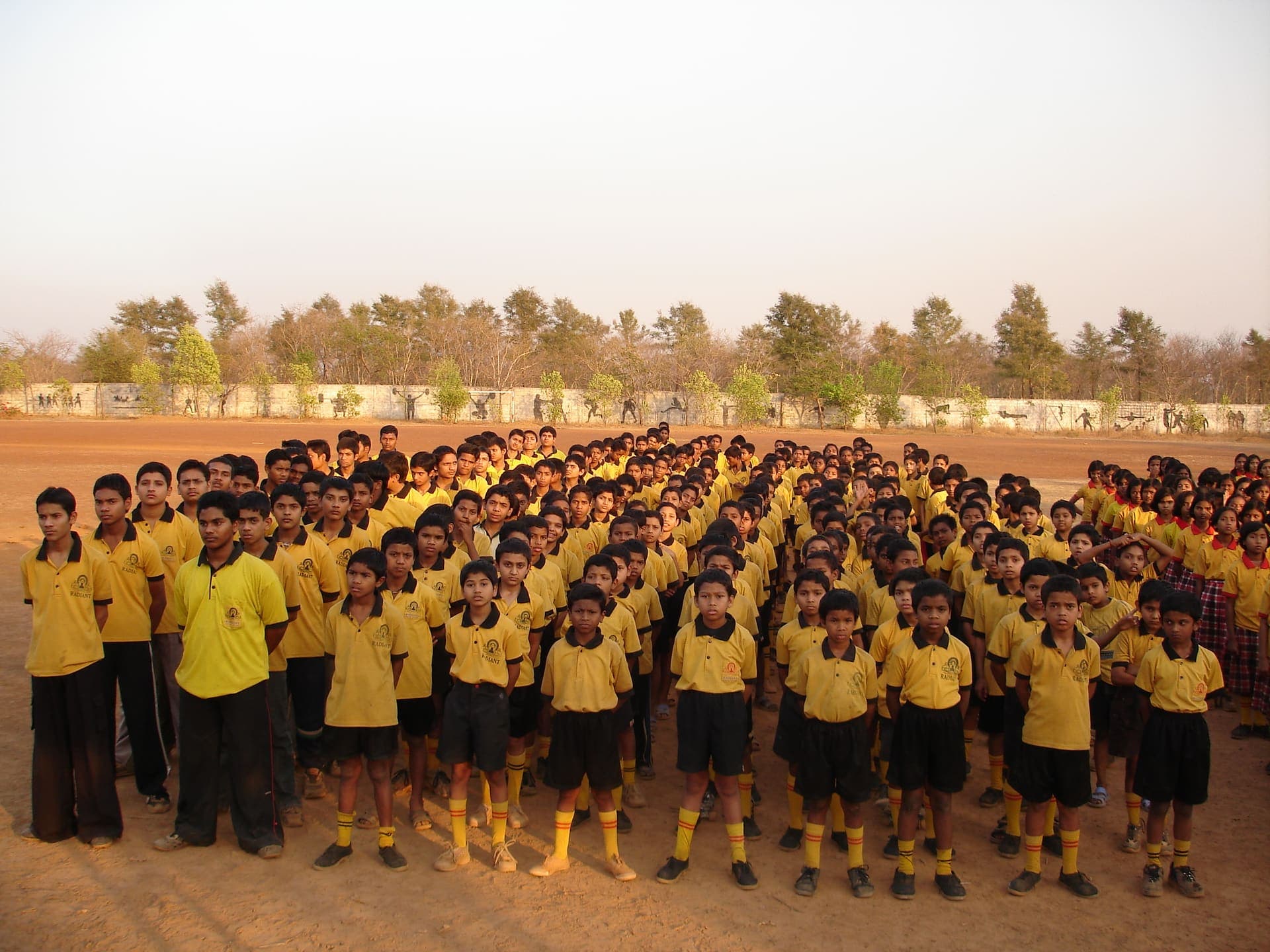
Residential days often begin with a wake-up routine, personal preparation, movement or exercise, breakfast, and assembly before classes. The exact order matters less than whether students have enough time to wash, dress, organise their belongings, and eat without beginning the day in a rush.
Morning routines gradually transfer responsibility to the student. Younger children may need more reminders and practical help, while older students should learn to manage time, clothing, books, and shared spaces. Ask how staff adjust expectations by age and what happens when a child regularly struggles with the routine.
Assembly can provide a common beginning to the day through announcements, reflection, music, or student leadership. During a visit, notice whether it feels participatory and age-appropriate rather than merely ceremonial.
The academic day: familiar structure, closer continuity
Classroom hours in a residential school may resemble those in a day school: subject periods, laboratory work, library time, breaks, assessments, and co-curricular activities. The difference is continuity. Teachers and residential staff can see how classroom learning connects with a student’s energy, habits, friendships, and evening work.
That continuity is valuable only when adults share useful information responsibly. A student who appears tired, stops completing work, or withdraws from friends should not become three separate observations held by three departments. Ask how teaching, residential, and wellbeing teams communicate and who coordinates support.
Students also benefit from having questions answered while the lesson is still fresh. In a well-designed day, evening study reinforces classroom learning rather than repeating another full school day.
Afternoons: movement, interests, and a change of pace
After sustained classroom concentration, students need movement and variety. Sport, gardening, art, music, debate, clubs, and campus responsibilities can provide a meaningful transition into the evening. These activities build competence and friendship while giving different kinds of students a place to contribute.
Ask whether activities are regular or occasional, how choices are made, and whether beginners receive instruction. A long activity list in a prospectus is less useful than a smaller programme students can actually attend each week.
Not every minute needs to be programmed. Children also need time to bathe, organise possessions, talk, read, or rest. A timetable with no breathing room can become exhausting, particularly for younger students and new boarders.
Questions to ask
- How many activity periods does each student have in a normal week?
- Are sports and clubs coached or simply supervised?
- Can students change activities after discovering a new interest?
- Where does unstructured personal time appear in the timetable?
Meals and shared spaces: where community becomes visible
A dining hall is one of the clearest windows into residential culture. Shared meals teach punctuality, consideration, conversation, and responsibility for common spaces. They also give staff another opportunity to notice changes in appetite, mood, or social connection.
Families should ask about the weekly menu, meal timing, drinking water, dietary needs, and feedback process. Children may need time to adapt to communal food, so it helps to know who supports a student who is eating poorly rather than treating the issue only as misbehaviour.
Dormitories and common rooms similarly require a balance of belonging and privacy. Ask where students can keep personal items, change clothes, read quietly, and speak with a trusted adult. Shared living should teach cooperation without erasing a child’s need for dignity and personal space.
Evening study: structure without overload
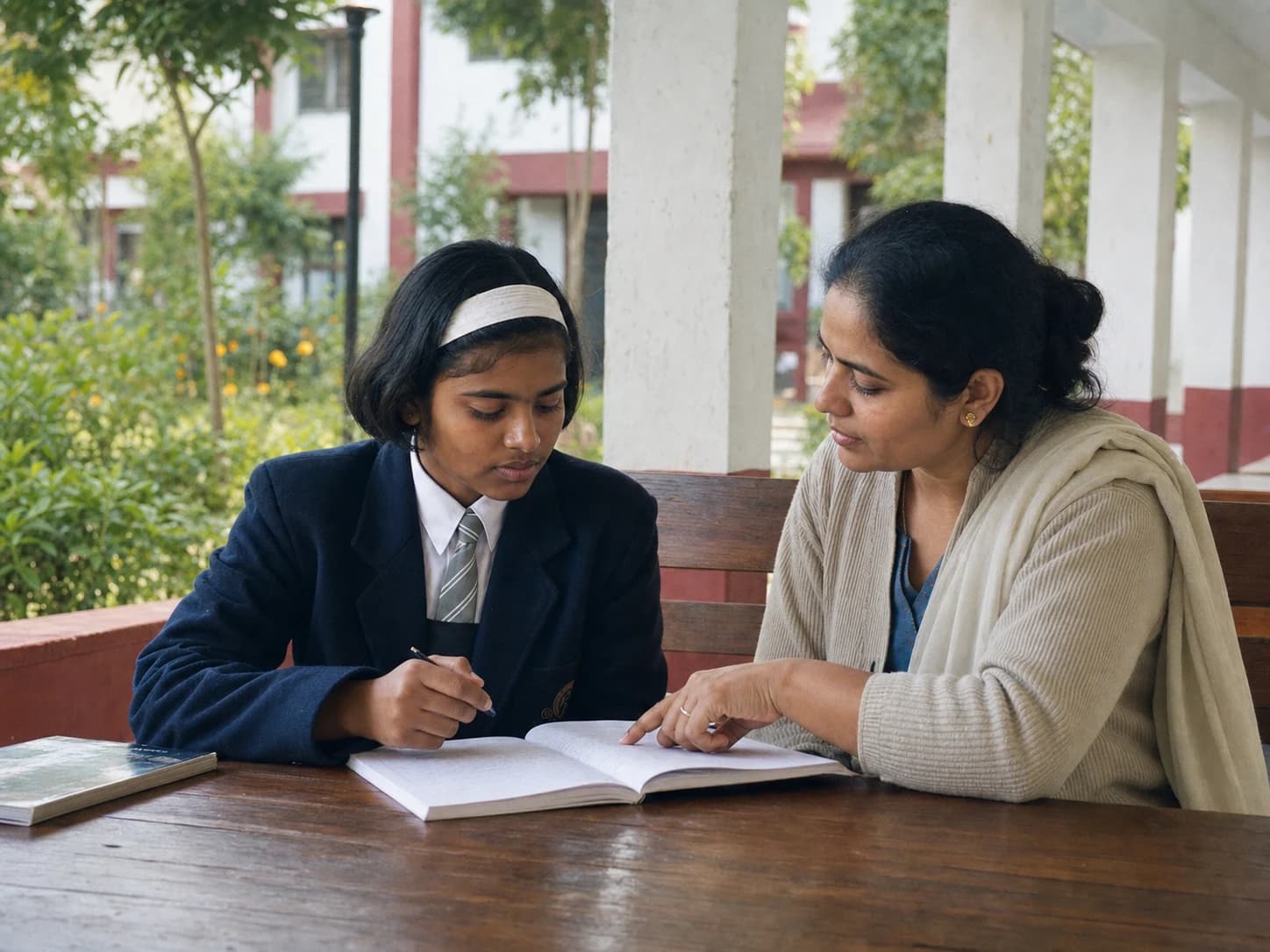
Supervised study is often a defining part of residential education. It can protect a consistent time for homework, revision, reading, and individual help. Ask who supervises each age group, what resources are available, and how a student signals that they need subject support.
Good study systems distinguish between productive effort and simply sitting for a fixed number of hours. Students should learn how to plan tasks, revise, ask precise questions, and reflect on feedback. Older students may need more autonomy; younger students generally need closer guidance.
There should also be a clear end to the academic day. Wind-down routines, preparation for tomorrow, conversation, and adequate sleep are essential to memory, mood, and concentration. Request bedtime arrangements by age group and ask how late-night disturbance is handled.
Staying connected to home while growing independently
Residential school should expand a child’s circle of trusted adults, not replace the family. Predictable phone or video-call arrangements help students and parents stay connected while protecting study, sleep, and shared routines. Ask how frequently calls are scheduled and what happens if the family needs to communicate urgently.
The first few weeks can include homesickness, tiredness, or frustration with shared routines. These feelings are not automatically signs that the placement is wrong. What matters is whether the child can name a trusted person, whether staff respond with care, and whether the family receives a balanced account of adjustment.
A useful question for any school is: who will notice a change in my child, and what will they do next? The answer brings together the timetable, the residential team, the academic staff, and communication with home.
Questions to ask
- Who is the named contact for residential wellbeing?
- When and how may students speak with family?
- How does the school support homesickness and adjustment?
- How are weekends different from weekdays?
- How much sleep is protected for each age group?
Continue exploring the school behind the guide.
See residential life at Radiant
Explore the residences, dining hall, daily rhythm, activities, and campus community.
Understand the academic day
Review class bands, teaching, laboratories, and academic support.
Ask about the current timetable
Contact the school for the latest routine and campus-visit information.